Food & Drink
Chiapas Cacao & Chocolate in San Cristóbal: What to Know
San Cristóbal es un lugar para probar y conocer el cacao de Chiapas, no su principal zona de cultivo. Al comprar chocolate, pregunta dónde se cultivaron los granos y dónde se elaboró el producto: la dirección de la tienda por sí sola no demuestra el origen.
Published
Explore nearby
Related places
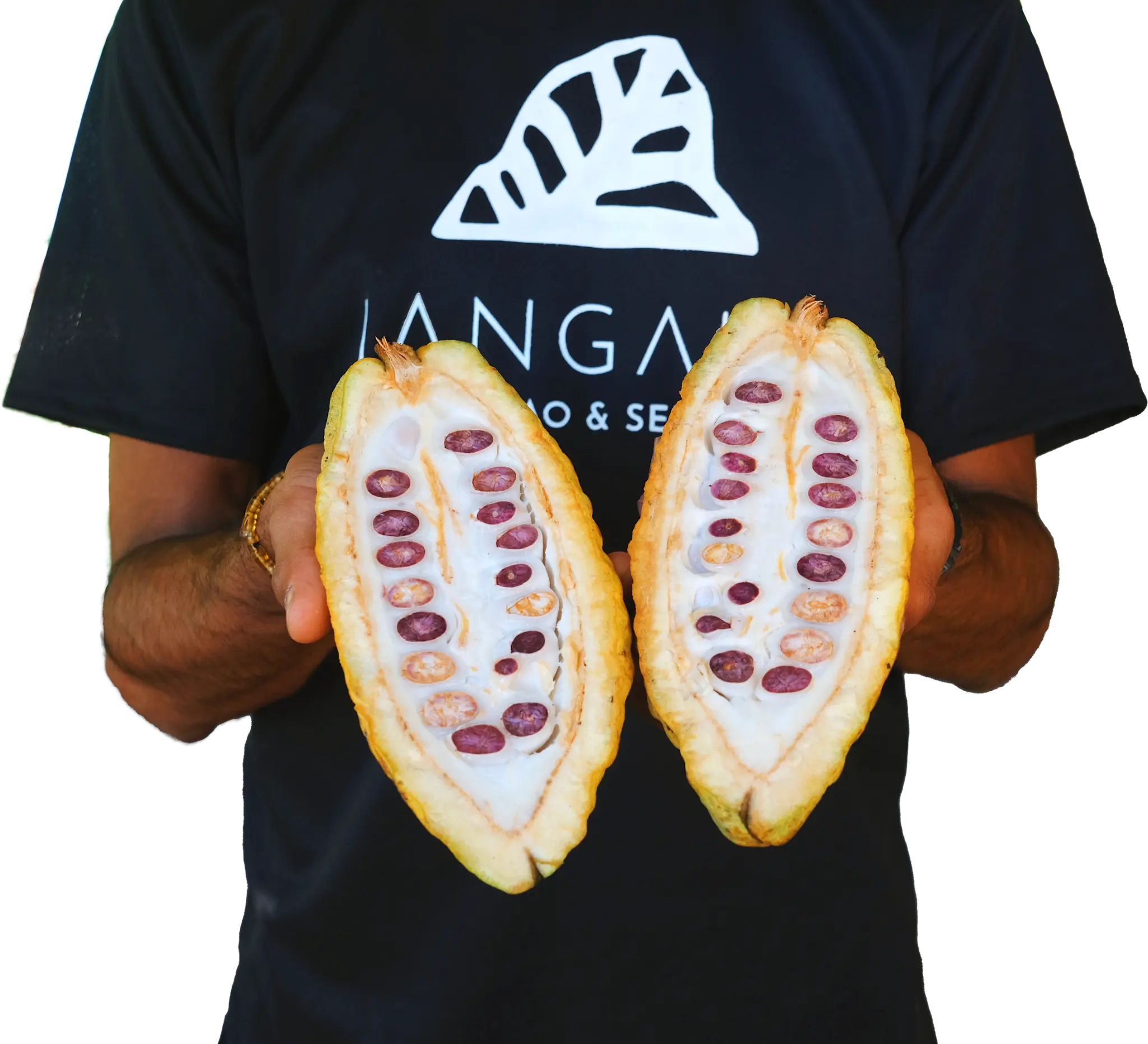
San Cristóbal is primarily a place to encounter Chiapas cacao through chocolate, drinks and cultural activity, not the state’s main growing zone. When buying chocolate, ask where the beans were grown and where the product was made.
Quick answer
Chiapas share of Mexican cacao in 2024: about 37% in federal data
Main distinction: production is concentrated in warmer parts of Chiapas, not the San Cristóbal highlands
In San Cristóbal: cacao appears through chocolate makers, drinks, tastings and the annual cacao festival
When buying: ask where the cacao was grown, not only where the chocolate was sold.
Chiapas cacao production
Mexico’s Panorama Agroalimentario 2025 reports national cacao production in 2024 as concentrated in Tabasco (62%), Chiapas (37%) and Guerrero (about 1%). Federal agriculture information from 2026 continues to identify Chiapas as one of the principal producing states.
Cacao is a tropical crop, so the state’s production is associated with warmer areas such as Soconusco and northern Chiapas rather than the cool streets of San Cristóbal.
Cacao, chocolate and origin
Cacao is the crop and raw material. Chocolate is a finished product made after processing cacao, usually with other ingredients.
If Chiapas origin matters, ask where the beans were grown, who produced them and what kind of chocolate you are buying. A high cacao percentage or the word “artisanal” does not by itself prove local origin.
San Cristóbal’s role
San Cristóbal functions as a cultural and retail point where cacao from other parts of Chiapas can appear in chocolate, drinks, workshops and tastings. For a museum-focused introduction to this history, Kakaw Museo del Cacao y Chocolatería Cultural is a dedicated local cacao and chocolate museum. For a producer-and-shop example, works with origin cacao and makes bean-to-bar chocolate; its official site also lists cacao and chocolate tastings and professional chocolate courses.
Keep exploring
More Food Guides
Food & Drink
What Is Pozol? Chiapas’ Traditional Corn & Cacao Drink
What pozol is, how it differs from pozole, how its flavor varies, and where to ask about it around San Cristóbal.
Last verified
Food & Drink
What Is Tascalate? Chiapas’ Corn, Cacao & Achiote Drink
What tascalate is, how its toasted maize, cacao and achiote base differs from pozol, what to expect from the drink and where to ask for it in San Cristóbal.
Last verified
Food & Drink
Craft Beer in San Cristóbal de las Casas: Breweries & Beer-Focused Bars
A focused comparison of craft-beer bars, brewpub-style venues and pox-and-beer options in San Cristóbal.
Last verified
Food & Drink
Where to Try Pox in San Cristóbal de las Casas: Tasting Rooms & What to Expect
For a focused pox tasting in San Cristóbal, compare La Espirituosa in El Cerrillo with Posheria on Real de Guadalupe. Both treat pox as the main experience; for general bars, dancing and late-night options, use the nightlife guide.
Last verified